
Cannabis Vape Brand Differentiation: Using Hardware Innovation to Stand Out
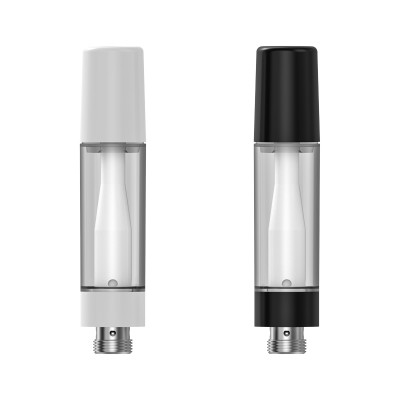
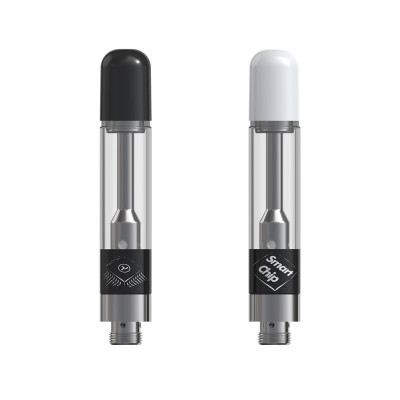
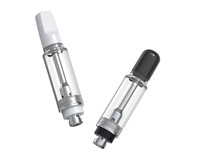
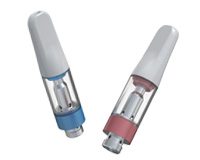
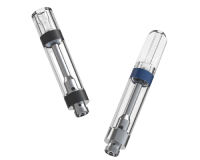
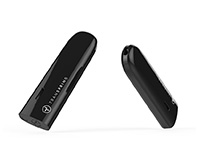
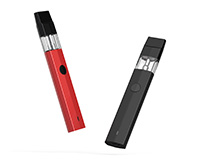
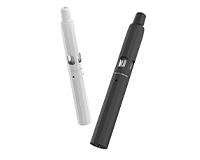
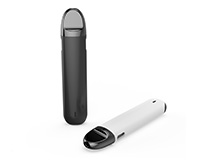
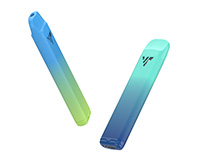
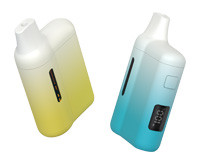
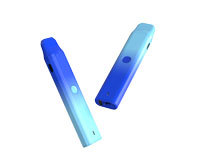
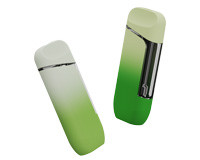
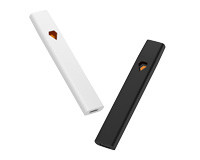
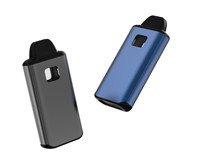
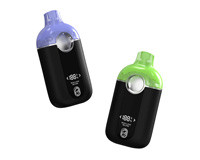
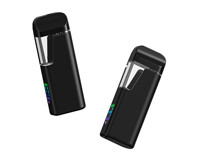
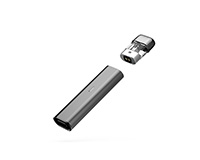
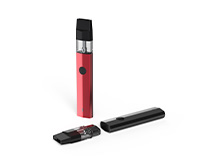
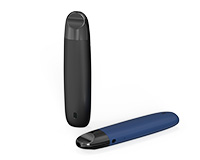
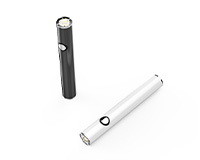
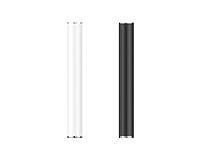
Cannabis vape brands are converging on price and packaging. Real differentiation now lives in hardware: heating technology, airflow, chip design, and battery engineering. Here is how those levers create lasting distance in a crowded market. The cannabis vape category has matured fast, and with maturity comes sameness. Walk down any dispensary shelf and most cartridges look alike: similar tank shapes, similar branding language ("clean," "premium," "small batch"), similar price points clustered within a dollar or two of each other. When packaging and marketing copy converge, brands lose their sharpest tool for standing out. Hardware is where real differentiation still lives. Unlike flavor claims or lifestyle branding, hardware performance is measurable, defensible, and hard for competitors to copy overnight. For operators asking how to build a cannabis vape brand that lasts beyond a single trend cycle, the answer increasingly points to engineering, not marketing. "Hardware innovation" is often used loosely, but for cannabis vapes it breaks down into a few concrete levers: Ceramic coils, mesh atomizers, and conduction-versus-convection heating each change how terpenes vaporize and how consistent the draw feels from the first pull to the last. Brands that invest in proprietary heating elements can market a genuinely different vapor experience, smoother throat hit, better terpene preservation, less burnt taste at low oil levels, rather than relying on subjective flavor claims alone. Airflow channel design affects draw resistance, vapor density, and how evenly oil is pulled through the wick. Small changes in airflow geometry can solve two of the most common consumer complaints: harsh hits and clogged cartridges. A brand that solves clogging through airflow design earns repeat purchases that no discount code can buy. Smart chips that regulate voltage output, offer preset temperature modes, or include puff-count tracking give consumers a sense of precision and control. For 510-thread devices in particular, chip-level differentiation (Bluetooth pairing, app connectivity, adjustable wattage) is one of the few areas where a brand can still claim a genuine technical edge. A growing number of devices now feature small OLED or LCD screens that show battery level, voltage setting, puff count, or session timers in real time. Beyond utility, a screen turns a passive device into an interactive one, consumers can cycle through modes, see live feedback, and feel like they're using a piece of technology rather than a disposable accessory. For brands, a display is also a built-in canvas for boot animations, logo treatments, and UI touches that reinforce brand identity every time the device is picked up. Engineering upgrades only become differentiation once they're communicated clearly. A few approaches work well: Flavor trends shift, packaging design cycles fast, and pricing pressure never really goes away. Hardware, by contrast, compounds. A brand that consistently improves coil performance, airflow, and battery reliability builds a reputation for quality that's difficult for competitors to replicate quickly, since it requires real R&D investment rather than a design refresh. For brands evaluating where to invest limited resources, the calculus is straightforward: marketing differentiation is rented, hardware differentiation is owned.Why Hardware Is the Next Cannabis Vape Battleground
What Hardware Innovation Actually Means for Vape Brands

1. Heating Element and Coil Design

2. Airflow Engineering

3. Chipset and Temperature Control

4. Onboard Displays and Interactive Screens
Turning Hardware Improvements Into Brand Positioning

Hardware Innovation as a Long-Term Moat