
Terpene Preservation in Vape Hardware: How Design Choices Affect Flavor
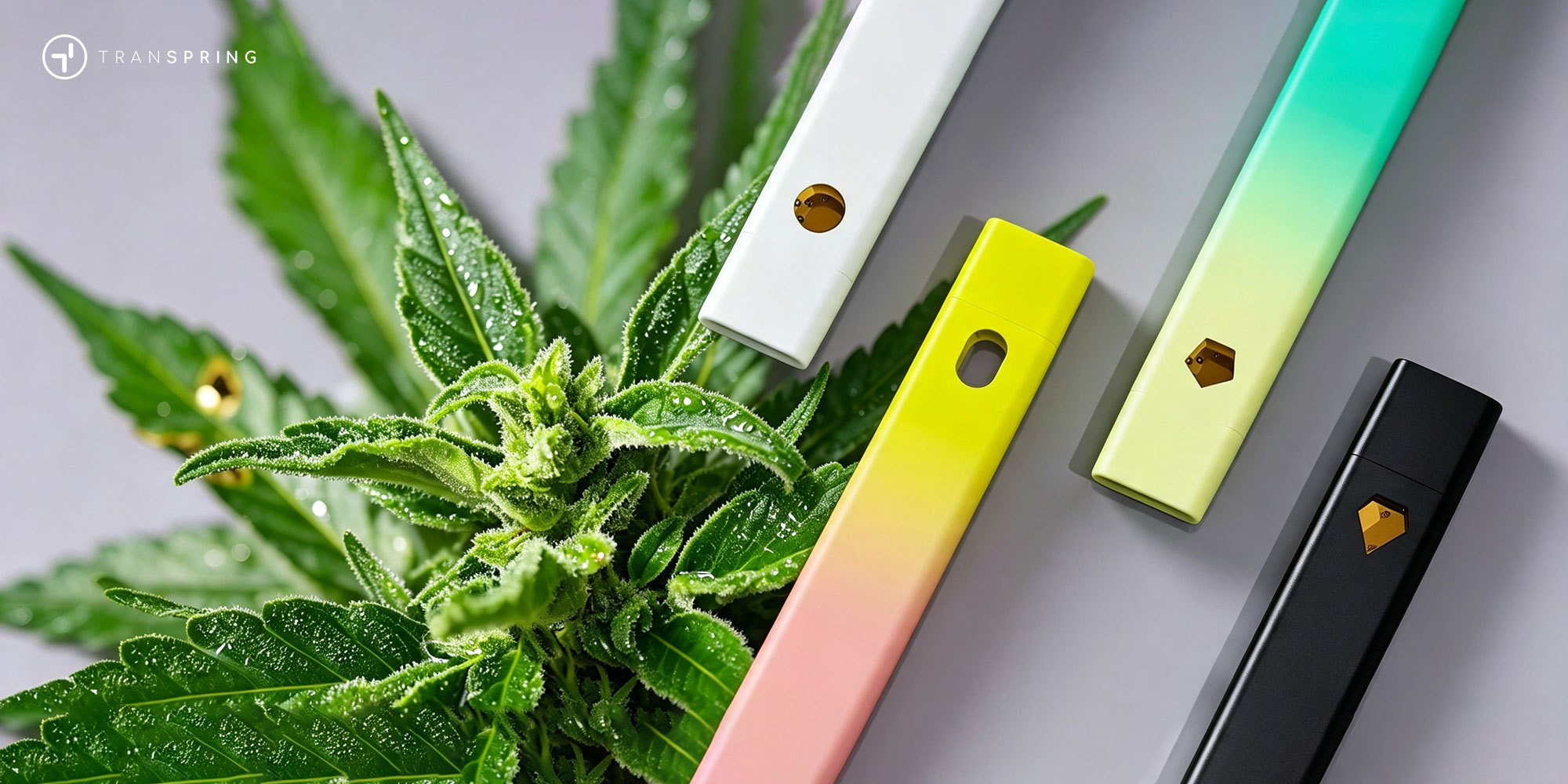
Terpenes are the aromatic compounds that give each cannabis strain its unique identity, from the citrus brightness of limonene to the earthy depth of myrcene. But what happens between the extraction lab and the consumer's first draw can destroy those delicate molecules. This guide examines how vape hardware design choices directly affect terpene preservation and what cannabis brands should look for when sourcing devices.
Why Terpene Preservation Matters
Terpenes do more than define flavor. They drive the entourage effect, the synergistic interaction between cannabinoids and terpenes that shapes the therapeutic profile of each strain. When hardware degrades terpenes, it does not just mute flavor, it diminishes the product's intended effects.
Research from the Journal of Cannabis Research shows that vaporization temperature and device materials are the two primary variables controlling terpene integrity. A 2023 study found that devices operating above 210 degrees Celsius lost up to 40% of monoterpene content within the first ten draws. For brands selling premium live resin or strain-specific products, that loss translates directly to customer dissatisfaction and brand erosion.
Where Terpenes Get Destroyed in the Vape Chain
Terpene degradation occurs at three critical points inside the device, and each one is tied to a specific engineering decision.
1. Heating Temperature
Different terpenes volatilize at different temperatures. Myrcene begins to degrade at 168 degrees Celsius, while caryophyllene remains stable up to 199 degrees Celsius. Hardware that cannot maintain precise temperature control will scorch some terpenes while under-vaporizing others, producing an unbalanced flavor profile. Metal coil heaters, in particular, create hot spots that spike well above the target temperature.
2. Material Interaction
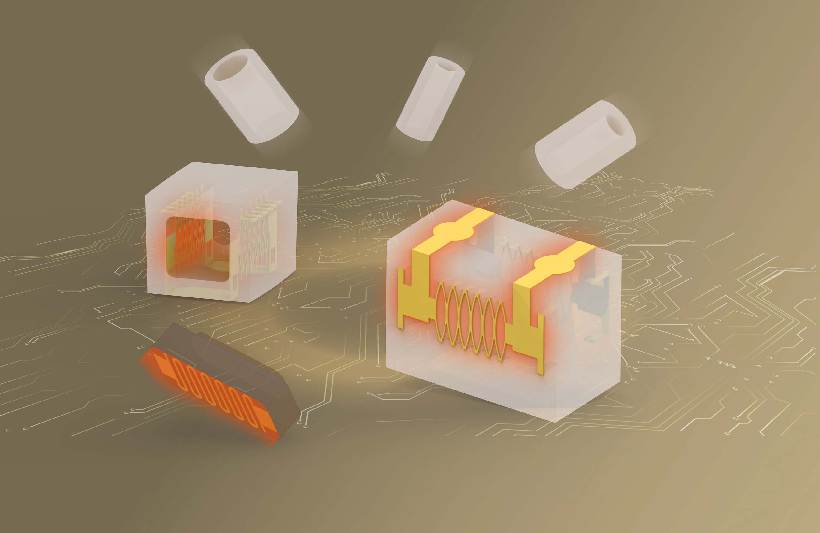
When heated, metal coils can leach trace ions into the vapor path. These ions catalyze oxidation reactions that alter terpene molecular structure. Stainless steel 316L is better than cheaper alloys, but even medical-grade metal introduces some interaction. Ceramic and quartz are significantly more inert, making them the preferred materials for terpene-sensitive applications.
3. Wick Degradation
Traditional cotton wicks burn when they run dry, releasing acrolein and other compounds that overpower delicate terpene notes. This is the most common cause of the burnt taste consumers report after the first few sessions. The problem compounds over the device's lifecycle as residual carbon builds on the wick surface.
Engineering for Terpene Preservation
The solution is not a single feature but a system of design choices that work together. Leading manufacturers have converged on three core principles.
Low-Temperature Ceramic Cores
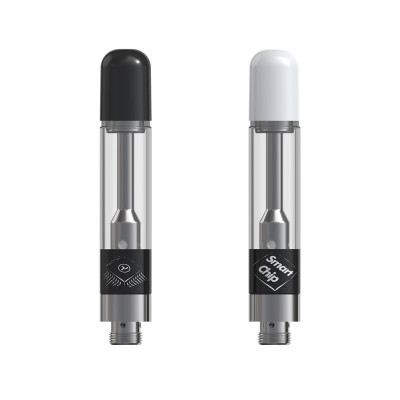
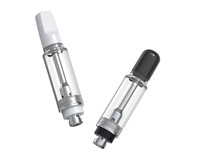
Ceramic heating elements distribute heat evenly across the entire surface, eliminating the hot spots that scorch terpenes. They maintain stable temperatures in the 180 to 200 degrees Celsius range, which is the sweet spot for volatilizing most terpenes without degrading them. The porous ceramic structure also creates a larger surface area for oil contact, enabling complete vaporization at lower temperatures.
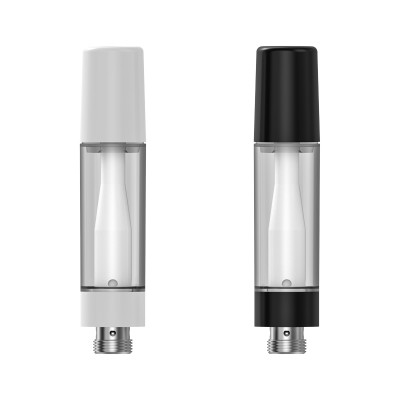
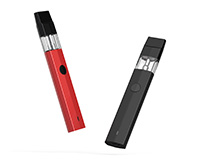
Combined with optimized porosity and oil-wicking characteristics, Transpring's ceramic core solutions give manufacturers a reliable foundation for building terpene-preserving hardware across a range of extract types.
Inert Material Pathways
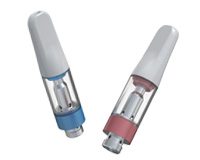
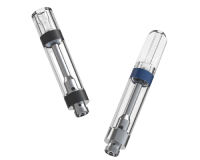
Every surface the oil touches before vaporization should be chemically inert. Across the industry, manufacturers have largely converged on two approaches to solving this: center-post-free architectures that remove the wick entirely, and ceramic-material center posts that replace traditional cotton wicking with an inert, non-degrading material. Both approaches share the same goal, ensuring that the only thing reaching the consumer is vaporized oil, not burnt fiber residue.
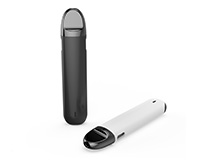
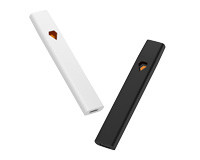
Transpring offers a center-post-free hardware solution purpose-built for terpene-sensitive oils. By eliminating the wick from the equation, this design avoids wick degradation and off-flavors, helping preserve the integrity of delicate terpene profiles from first to last draw.
Precision Temperature Control
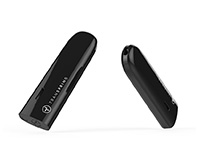
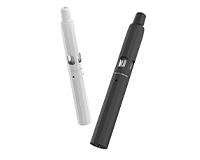
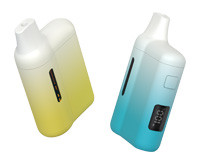
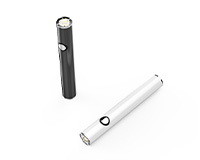
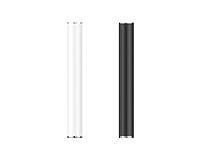
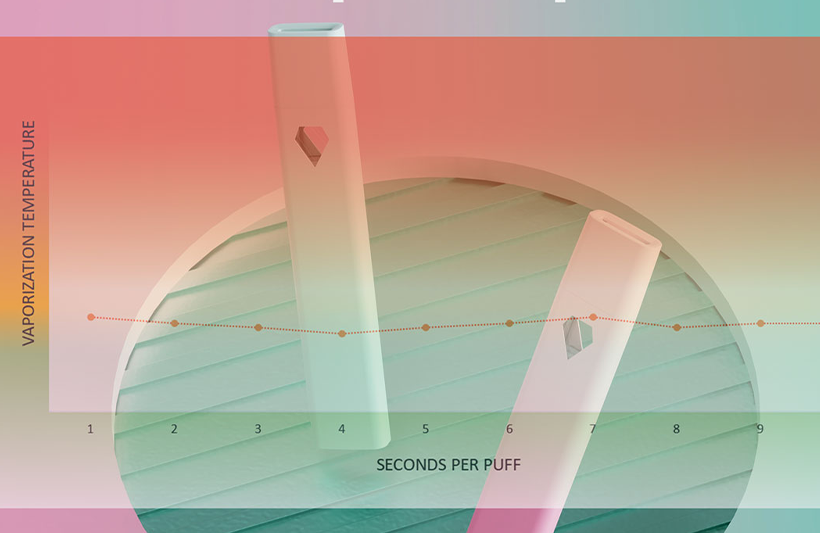
For battery-powered devices, variable voltage with digital calibration allows consumers to dial in the exact temperature for their terpene profile. Transpring's NUTUN temperature control technology addresses this need directly, offering digitally calibrated heating designed to maintain consistent output across a session. This kind of precision control helps ensure that live resin and other high-terpene extracts deliver their full terpene spectrum from the first puff to the last.
Hardware Selection Guide by Extract Type
Not all extracts require the same hardware. Matching the device to the oil profile is essential for terpene preservation.
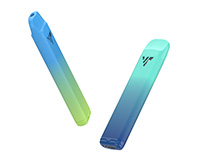
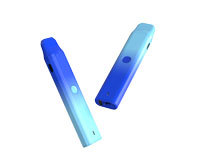
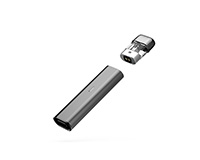
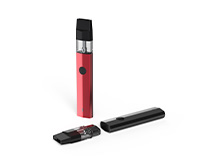
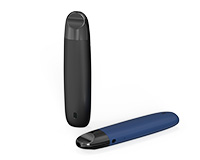
Live Resin and Rosin: These high-terpene extracts are the most sensitive to heat damage. Use ceramic core cartridges with low-temperature settings between 175 and 190 degrees Celsius. The CHILL disoposable, with its cotton-free design, is ideal for preserving the delicate monoterpenes that define live resin character.
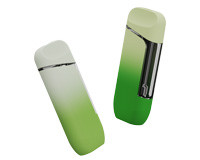
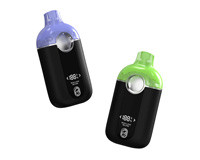
Distillate with Added Terpenes: Distillate is more forgiving due to its refined viscosity, but added terpenes can still degrade under high heat. Standard ceramic coils operating at 190 to 205 degrees Celsius are suitable. The GLOW disposable offers consistent temperature delivery in a compact form factor for distillate-based products.
Conclusion: Hardware Is Flavor Infrastructure
Terpene preservation is not an afterthought to be addressed with marketing copy. It is an engineering problem solved through material selection, thermal management, and wick-free architecture. Cannabis brands that understand this connection gain a genuine competitive advantage, because consumers can taste the difference.
When evaluating hardware suppliers, ask three questions: What is the maximum temperature variance? What materials contact the oil? And does the design use a wick? The answers to those three questions will tell you more about terpene preservation than any spec sheet.