
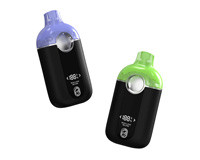
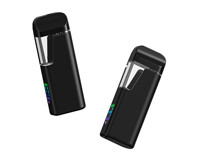
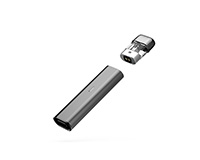
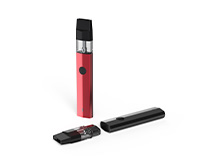

Marijuana Vape Hardware Selection: From Confusion to Professional Assessment in 10 Minutes
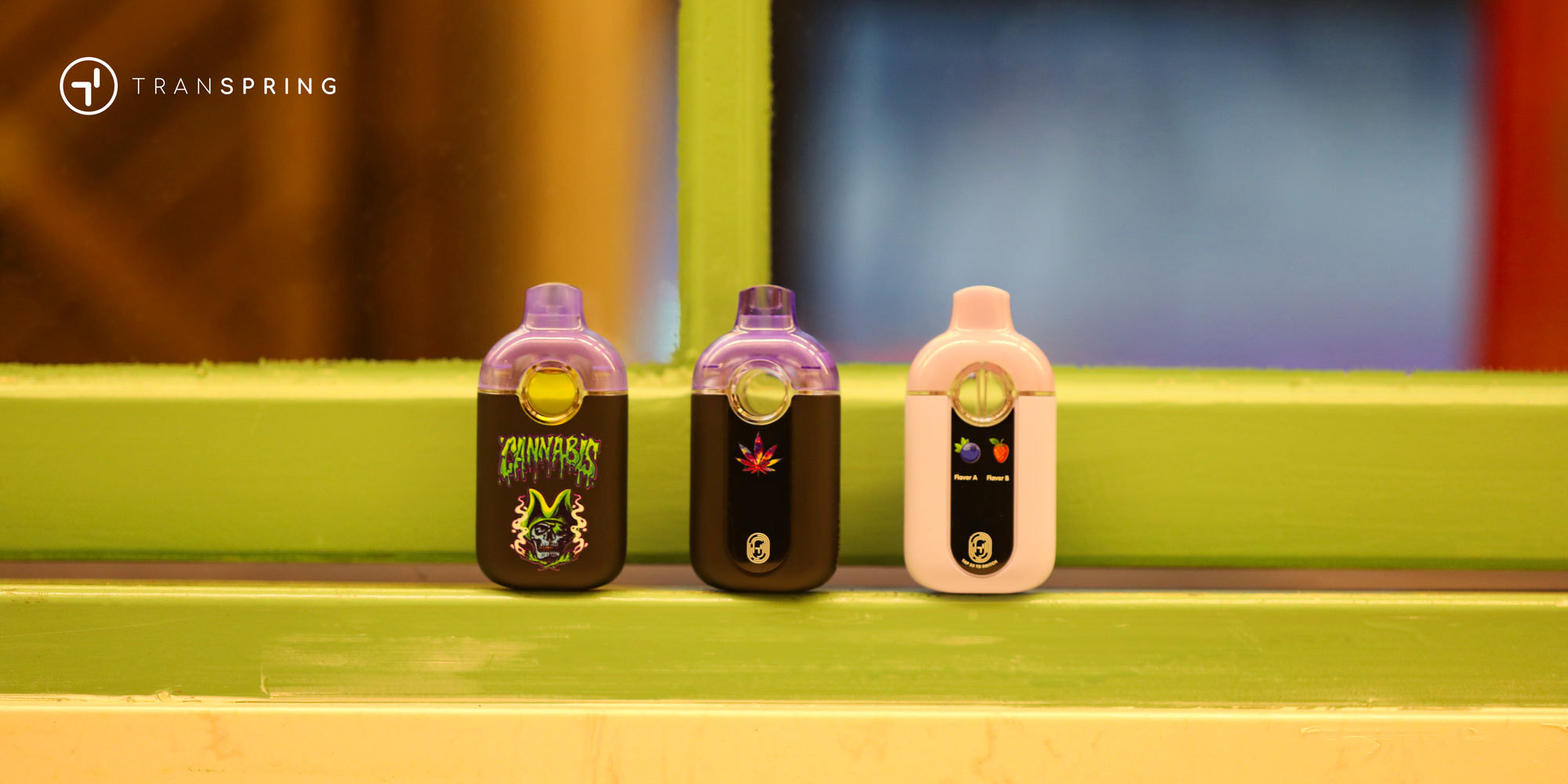
When a marijuana vape hardware supplier sends you samples, what’s the first thing you look at?
For most brand owners and product managers, the answer is fairly consistent:
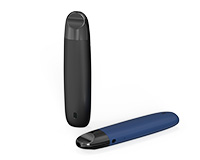
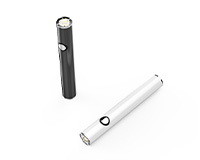
appearance, size, weight, and hand feel. You might envision how it would look with your logo emblazoned on it, wondering whether consumers would find it appealing on dispensary shelves. Then you move on to scrutinizing the various parameters and features listed in the spec sheet. But here's the critical question: do you actually know which parameters genuinely impact the consumer's vaping experience?
Understanding marijuana vape hardware specifications can feel overwhelming, especially when you're faced with technical jargon about center posts, resistance, and voltage curves. However, mastering these key parameters is essential for making informed decisions that will ultimately determine your product's success in the competitive marijuana market. Let me guide you through the most important specifications you need to understand, transforming you from a confused buyer into a knowledgeable decision-maker in just ten minutes.
Parameters of Center Post
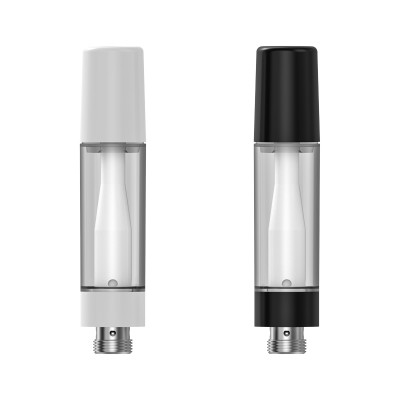
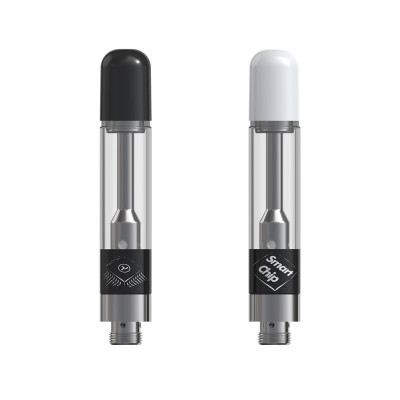
The first parameter demanding your serious attention is the center post specification. This component serves dual critical functions: it secures the ceramic heating core in place while simultaneously acting as the airway channel.
Currently, the market predominantly uses two material categories for center posts: ceramic and stainless steel. Within the ceramic category, you'll encounter two primary types: aluminum oxide ceramic and zirconia ceramic.
Aluminum oxide ceramic represents the standard option and performs excellently for most applications. It offers good heat resistance, chemical stability and doesn't impart any unwanted flavors to your vapor. However, if cost isn't your primary constraint, zirconia ceramic delivers superior performance. This premium material boasts greater structural integrity, making it more resistant to cracking or breaking under stress. More importantly, zirconia exhibits weaker thermal conductivity compared to aluminum oxide, which translates to gentler, more controlled heating. This characteristic helps preserve delicate terpenes, prevents the harsh, and reduces the risk of localized overheating.
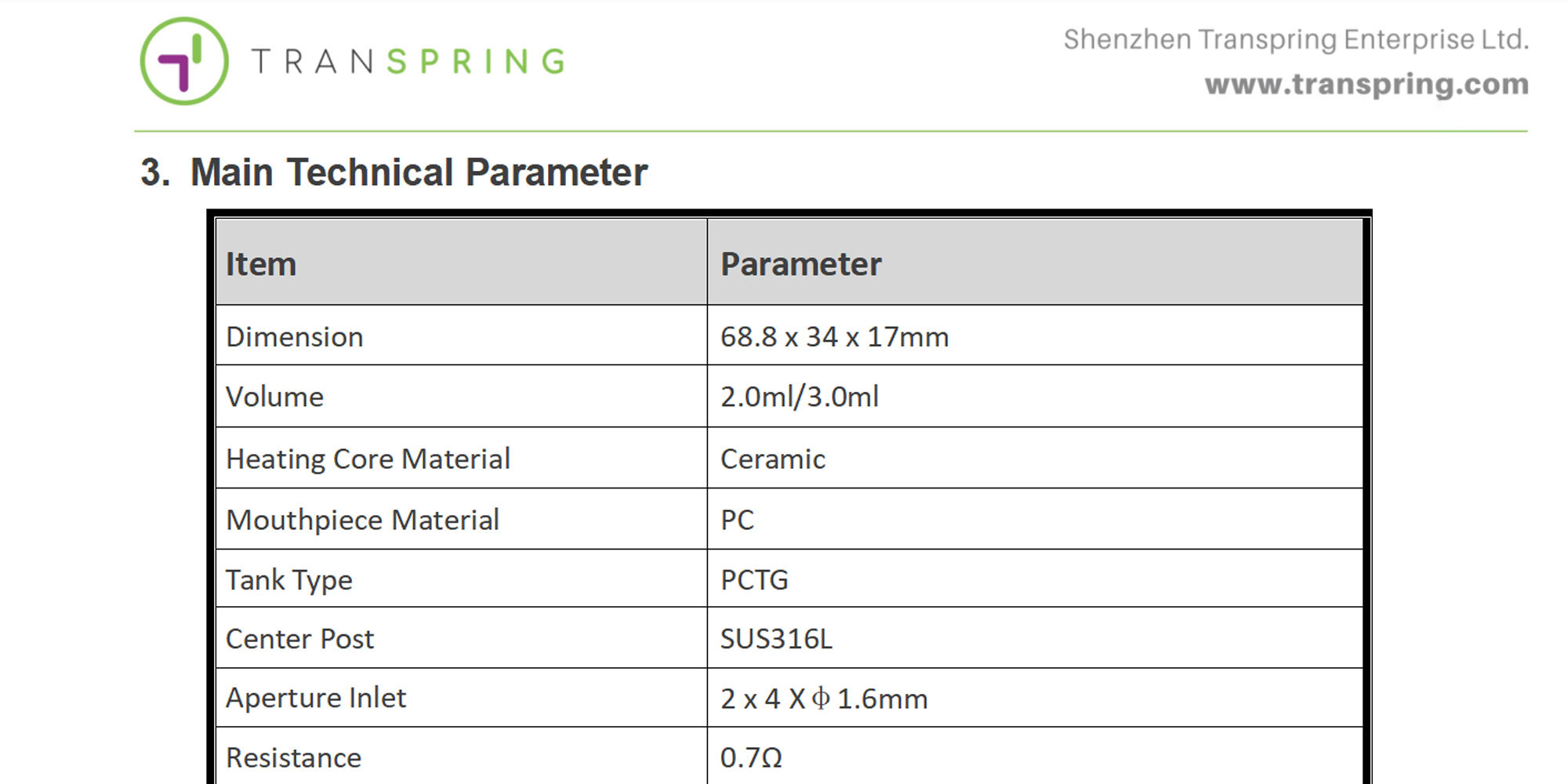
Stainless steel represents a more cost-effective alternative to ceramic options. Within the stainless steel category, you'll primarily encounter two grades: SUS316L and SUS304. SUS316L contains molybdenum, which enhances its corrosion resistance, particularly against chlorides and other aggressive chemicals found in various cannabis oil formulations. This makes SUS316L the preferred choice for applications requiring maximum durability and chemical stability. SUS304, while slightly less corrosion-resistant, still offers excellent performance at a lower price point and remains suitable for most standard applications.
Beyond material selection, pay close attention to the oil inlet holes designed into the center post. These precisely engineered apertures control and balance oil flow into the heating chamber. The market standard typically features either two or four holes, with diameters commonly sized at 1.4mm, 1.5mm, 1.6mm, 1.8mm, or 2.0mm.
The viscosity of your cannabis oil should dictate your hole diameter choice. Lower viscosity oils, such as distillate, which flow more easily, generally perform best with smaller holes (1.6mm-2.0mm) to prevent flooding and leaking. Higher viscosity oils, particularly live rosin, which contain more impurities, require larger holes (2.0mm or larger) to ensure adequate oil flow to the heating element. Of course, you can always work with your supplier to customize hole diameters that perfectly match your specific oil formulation, ensuring optimal performance.

Parameters of Heating Element
The heating element is one of the most overlooked yet critical components in a cannabis vape cartridge or disposable. You might assume that as long as it's ceramic, it's good enough. However, this component represents one of the primary factors influencing the actual vaping experience, and understanding its nuances can set your product apart from competitors.
When you communicate your oil characteristics to your hardware supplier, they'll typically recommend appropriate vapes with the right ceramic cores matched to your needs. However, understanding what goes into this recommendation empowers you to make more informed decisions and optimize performance.
The first consideration is the micropore size and distribution within the ceramic material. Ceramic cores with uniformly distributed, consistent micropore sizes work exceptionally well with distillate oils, which have relatively simple chemical compositions. The uniform structure allows for even oil absorption and consistent vaporization.
However, rosin and live resin products present different challenges. These full-spectrum extracts contain abundant cannabinoids, terpenes, and other plant compounds that create a more complex viscosity profile. For these oils, ceramic cores with irregular micropore sizes and distributions actually perform better. The varied pore structure reduces surface tension as the oil enters the ceramic matrix, facilitating smoother flow and achieving more complete atomization. This results in better flavor preservation and more efficient consumption of your premium extract.
The shape design of the ceramic core, which determines the heating surface area, directly influences vapor production volume. A larger heating surface area generates more vapor per draw, which some consumers prefer for visible clouds and stronger effects. Smaller heating surfaces produce less vapor but can deliver more concentrated flavor and a smoother throat hit.
The resistance value of the heating wire embedded within the ceramic core also plays a crucial role in vapor production and flavor retention, as it controls the heat output. Common resistance options include 1.2 Ω, 1.4 Ω, and 1.6 Ω. Higher resistance values produce less heat output, resulting in thinner vapor and more subtle flavor profiles. Lower resistance generates more heat for thicker clouds and faster evaporation.
Don't guess on this specification. Ask your supplier for their recommendation based on your oil characteristics, then conduct thorough testing with your actual product. The small investment in sample testing will pay dividends in consumer satisfaction.
Parameters of Output Voltage
Compared to other parameters, output voltage is something that people are more familiar with. You're probably familiar with basic adjustable voltage options offering settings like 2.6V, 3.3V, and 4.0V, allowing users to customize their experience from low-temperature to high-temperature.
However, recent years have brought a revolutionary advancement: precision voltage curve programming. This sophisticated technology allows customization of voltage output throughout an entire draw cycle. You can set the draw duration to 5 seconds, 8 seconds, 10 seconds, or any custom length that suits your product positioning.
Here's where it gets interesting: every single second within that draw can have its own customized voltage output. You might program a higher voltage at the beginning to quickly vaporize oil and produce immediate vapor, then transition to a steady, moderate voltage for consistent flavor delivery. Alternatively, you could reverse this approach, starting gently and ramping up toward the end. Your supplier will provide voltage curve programming tools for this customization.
If you source your vapes from Transpring, you gain access to pioneering expertise in voltage curve technology. As the first company to extensively research and develop curve voltage programming, Transpring has established testing laboratories in both the United States and Thailand dedicated to optimizing performance across different oil formulations.
For various cannabis oil formulations, they provide thoroughly tested, recommended voltage curves as starting points. This means you won't receive your products and feel lost about where to begin. Instead, you'll have proven baseline curves that you can fine-tune with minimal adjustments, dramatically reducing your time to test.
Transpring has even developed specialized curves for dual-flavor, high-capacity vapes that maintain consistent taste from the first draw to the last, regardless of oil level. They've also created voltage curves specifically optimized for cartridges, solving the persistent market problem of mismatched cartridge and battery outputs that lead to poor performance and consumer frustration.
Putting It All Together
Understanding these critical parameter categories transforms you from a passive buyer into an informed partner in product development. You now possess the knowledge to have meaningful technical conversations with suppliers, ask the right questions, and make decisions based on how components will actually perform with your specific cannabis oil formulation.
The cannabis vape market continues to evolve rapidly, with consumers becoming increasingly sophisticated in their preferences. They can distinguish between a mediocre vaping experience and an exceptional one, and they're willing to pay premium prices for products that deliver superior flavor, consistency, and satisfaction. By mastering these fundamental hardware parameters, you position your brand to meet and exceed these expectations.
Remember that specifications on paper only tell part of the story. Always request samples and conduct thorough testing with your actual oil formulations. The small investment in proper evaluation will prevent costly mistakes and establish your reputation for quality in this competitive market.