
Is It Safe to Eat the 'Live Resin' in My THC Disposable?
What Does Live Resin Mean in THC Vapes
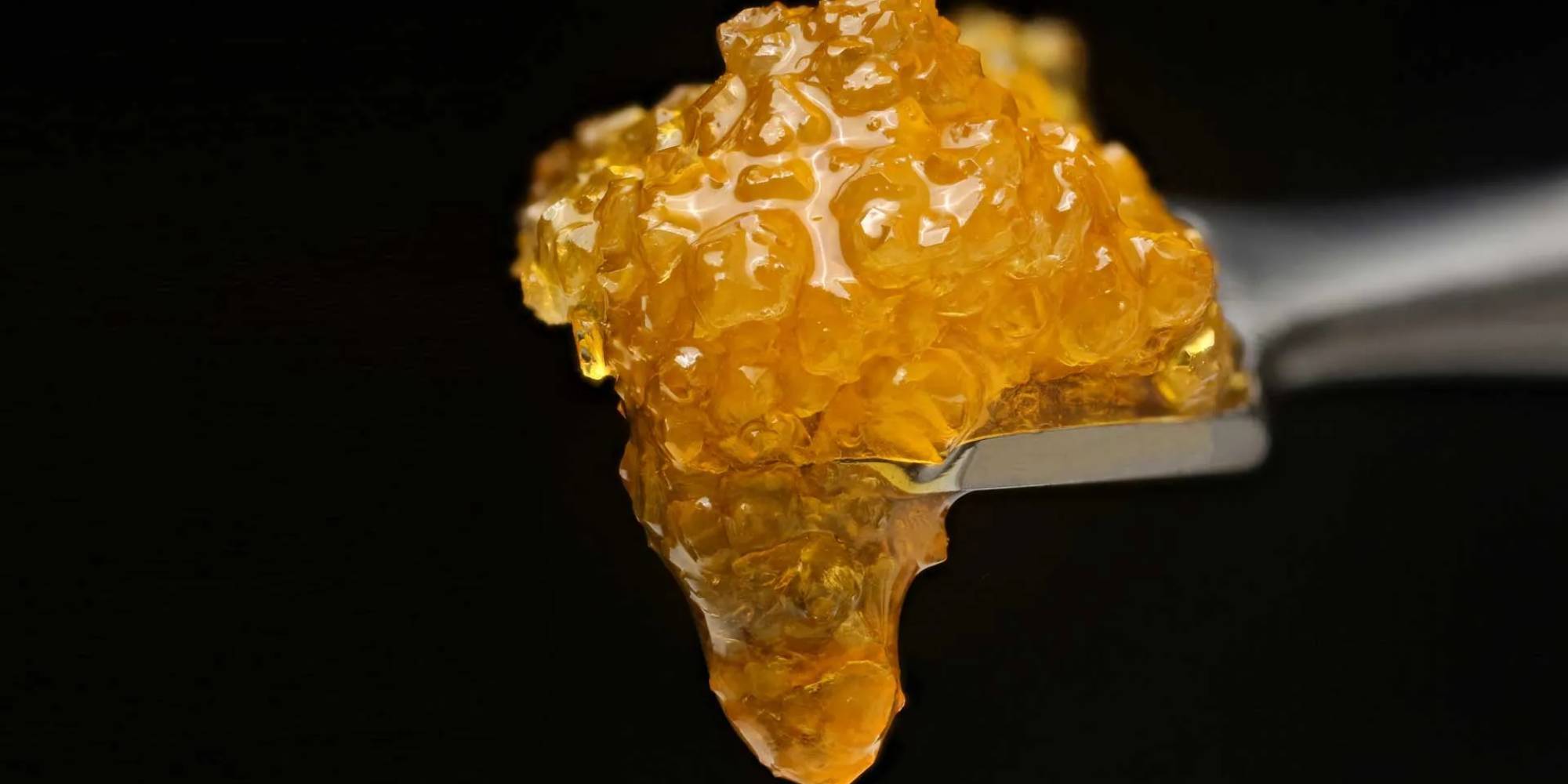
Live resin is a type of cannabis concentrate that has earned a premium reputation in the cannabis world, and for good reason. Unlike most concentrates, which are made from dried and cured cannabis flower, live resin is extracted from freshly harvested, flash-frozen plant material. The plant is frozen immediately after harvest, before any drying or curing takes place.
This preservation method is the key to what makes live resin special. By keeping the plant at sub-zero temperatures throughout extraction, producers are able to lock in a much higher concentration of terpenes, the aromatic and flavourful compounds responsible for each strain's unique scent, taste, and experiential character. The result is a concentrate that is richer, more fragrant, and more flavourfully complex than traditionally cured alternatives.
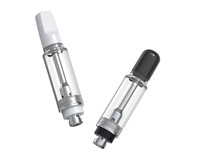
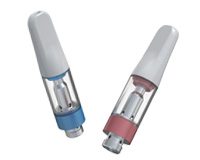
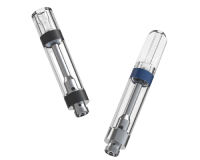
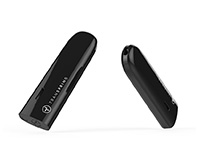
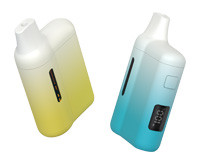
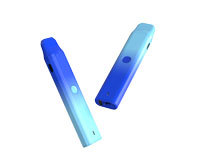
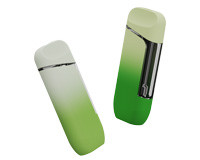
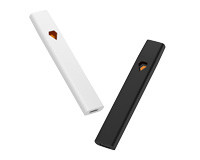
In terms of appearance, live resin can range from a viscous, sauce-like liquid to a more solid, waxy consistency, depending on the specific extraction process. Its colour typically ranges from pale yellow to amber. After being loaded into a disposable vape, it sits in a small ceramic or coil-based heating element designed to heat the material just enough to vaporise it, not combust it.
The bottom line on composition: Live resin contains THC (usually 60%-80%), other cannabinoids, terpenes, and trace amounts of plant waxes and lipids. It does not contain pesticides, solvents, or toxins, provided it comes from a properly tested, licensed source. Reputable products undergo third-party lab testing for exactly these concerns.
How Did You Eat the 'Live Resin' in the THC Disposable
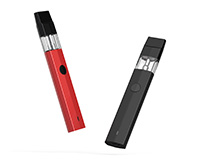
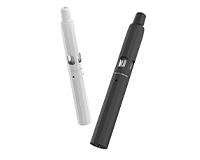
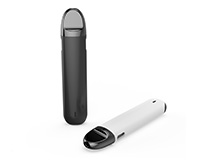
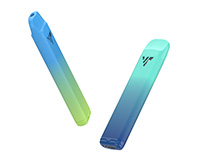
Accidentally ingesting live resin from a disposable vape is more common than you might think, and it almost always comes down to one culprit: a leaking or low-quality device.
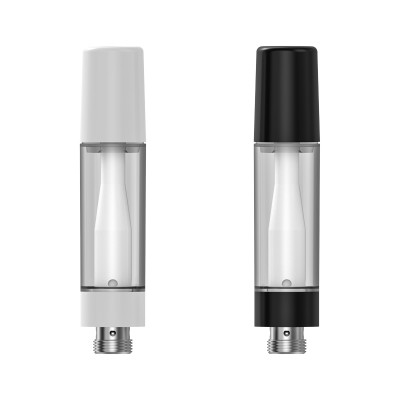
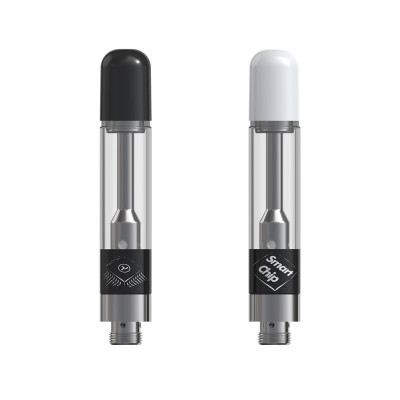
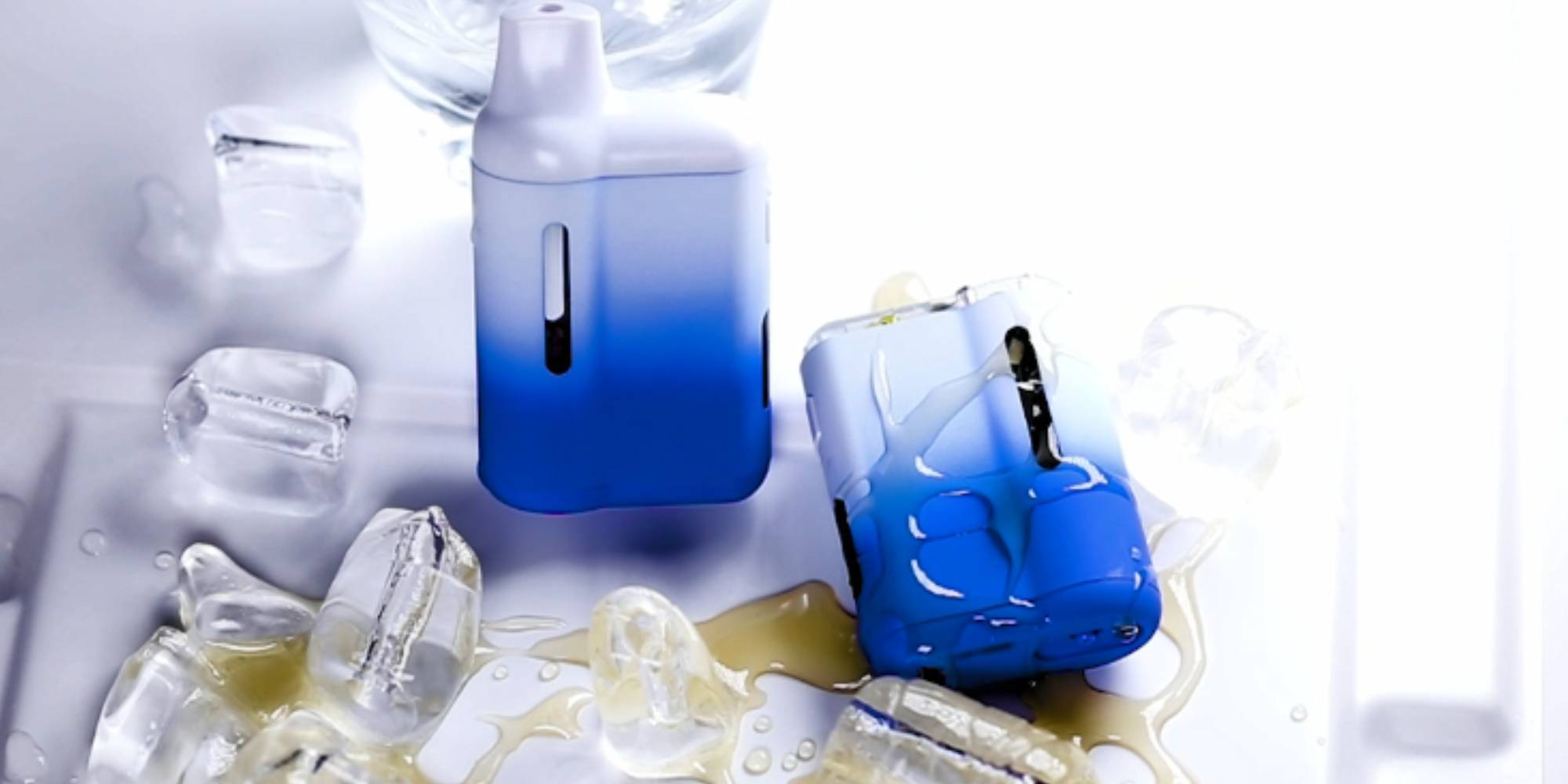
Disposable vapes are sealed units, but cheaper or poorly manufactured products often suffer from design flaws. The most common failure mode is leakage from the airway. When the device's oil inlet hole is not sized appropriately for the oil viscosity, it will cause oil to pool in the airway tube. A subsequent draw then pulls a small amount of liquid resin directly into the mouth alongside the vapour.
There are a few other contributing factors: drawing too hard or too fast creates a low-pressure vacuum that can literally suck oil up through the coil before it vaporises. Similarly, devices stored upside down for extended periods can result in pooling near the mouthpiece.
In short, the problem is almost never the live resin itself; it's the vessel holding it. Budget disposables, counterfeit products, or simply devices that have been sitting unused for too long are the most frequent offenders.
So You've Swallowed Some — Now What?
First and most importantly: if your product came from a licensed dispensary and has a valid certificate of analysis (COA), it is not poisonous. The cannabinoids and terpenes in live resin are not dangerous when ingested in small amounts. Terpenes, in particular, are found naturally in countless foods and plants we consume every day.
What you will likely experience is a highly unpleasant taste, intensely bitter, resinous, and vegetal. Some people feel mild nausea from the sudden influx of concentrated terpenes. This passes relatively quickly.
The more nuanced concern is potency and dosage. When THC is inhaled as vapour, its effects onset quickly and are easier to titrate. When swallowed, even accidentally in a small amount, THC is metabolised differently by the liver, converted into a more potent compound called 11-hydroxy-THC. The onset is slower (30 minutes to 2 hours), but the effects may be stronger and longer-lasting than expected. Be aware of this if you feel unusually elevated later.
When to genuinely be concerned: If your product came from an unregulated or illicit source, the calculus changes. Untested products may contain residual solvents, pesticides, or other adulterants. In that case, leakage and ingestion are a real cause for caution, and a good reason to only buy from licensed, lab-tested sources going forward.
Eating live resin from a legitimate, lab-tested THC disposable is not a medical emergency. You have not been poisoned. The live resin itself is non-toxic; what makes it unpleasant is its intense flavour and the unpredictable dosage dynamic that comes with accidental ingestion.
The real issue is the device. A leaking disposable is a sign of poor product quality, not just an inconvenience, but a failure that compromises your ability to control how much THC you're actually consuming. Going forward, stick to reputable brands, store your devices upright and away from heat, and take slow, measured draws. If a device consistently leaks, discard it.
Live resin is, by design, one of the most premium cannabis experiences available. It deserves a device worthy of it.