















Why the Black Market in Cannabis Is Still Thriving?

Legalization was sold as the ultimate fix: crush illegal operations, generate tax revenue, protect consumers, and reduce crime. In reality, the illicit cannabis vape market has proven remarkably resilient. Far from disappearing, underground sales continue capturing a significant share of revenue in legalized states. Consumers aren't choosing crime over compliance, they're responding to basic economics and everyday frustration.
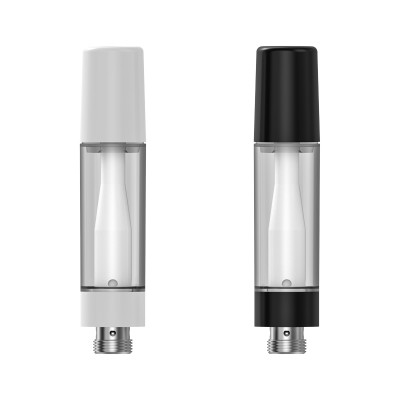
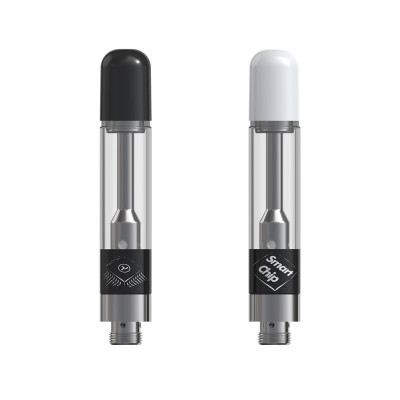
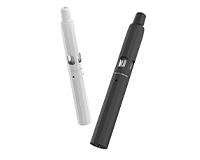
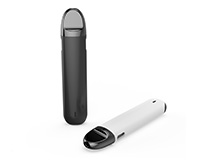
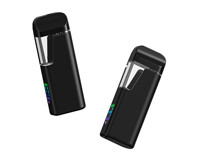
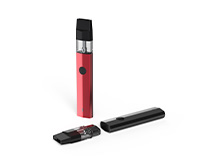
The biggest driver is price. Legal cannabis carries excise taxes, cultivation fees, lab testing requirements, licensing costs, and heavy regulatory overhead. The result? Retail products often cost 30–50% more than their street counterparts. For budget-conscious buyers, medical patients on fixed incomes, or anyone stretching a paycheck, the math on the black market wins. This gap is especially pronounced in the cannabis vaporizer segment, where premium vape cartridge brands at licensed dispensaries can run twice the street price for functionally identical products.
Accessibility compounds the problem. Many cities still maintain strict zoning rules or outright bans on cannabis retail, creating vast green deserts where legal options simply don't exist. Even where dispensaries operate, limited hours, long lines, and inventory gaps push people back to familiar networks. Decades of prohibition built deep-rooted habits. People trust longtime suppliers who deliver quickly and without judgment. Changing that takes more than flipping a legal switch.
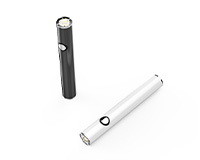
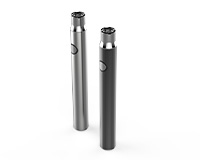
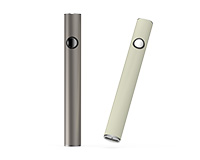
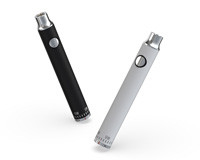
Regulations meant to protect consumers often backfire by squeezing smaller operators out. Complex seed-to-sale tracking, expensive security mandates, environmental compliance rules, and lengthy licensing processes favor well-funded corporations. Legacy growers with deep community roots find themselves priced out or blocked by background check barriers. Many return to the informal channels they already know, including the booming cannabis concentrate and THC oil cartridge underground, where disposable vape pen products are particularly easy to produce and distribute without oversight.
The environmental and social costs are real. Illicit grows on public lands can involve dangerous chemicals, water diversion, and habitat destruction. The persistence of black-market activity also highlights deeper justice issues: the communities hit hardest by past prohibition, often low-income and minority groups, face the highest hurdles entering legal cannabis. High barriers mean lost economic opportunity and continued underground commerce.
Despite these challenges, the legal market has made genuine progress. Regulated products offer consistent potency, clear labeling, and reduced contamination risk. Tax revenue funds schools and infrastructure. Public safety improves when transactions move away from criminal networks. But the black market's endurance proves that good intentions aren't enough without smarter execution.
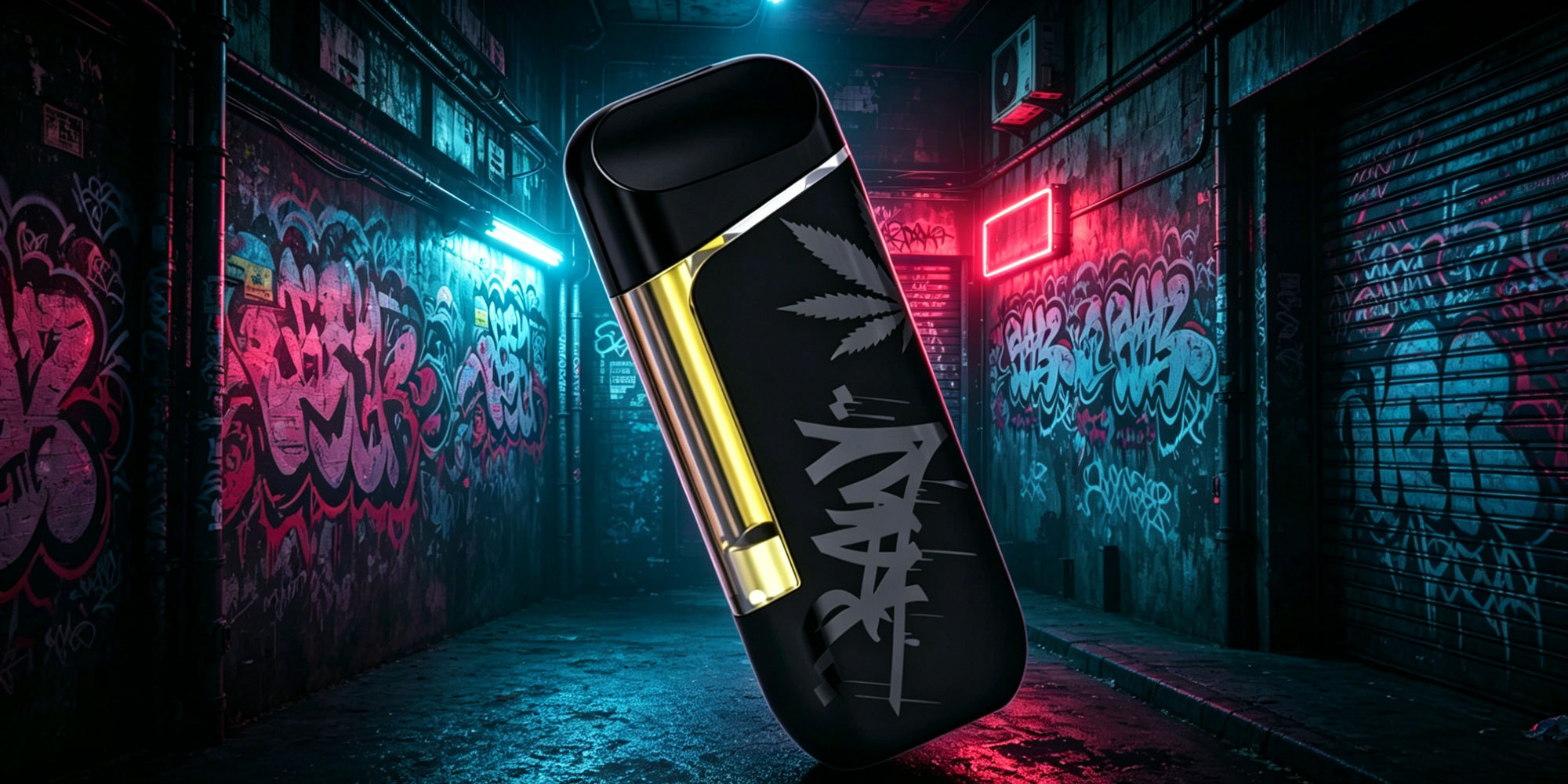
What would real change look like? Policymakers need to rethink over-regulation. Lower entry barriers for small businesses, streamline licensing, adjust tax structures to make legal products competitive, and expand access through more retail outlets and delivery options. International coordination matters too, as cross-border trafficking adapts to shifting legal landscapes.
As consumers, we have power. Supporting transparent, fairly priced legal businesses starves illicit trade of demand. Voting for candidates who prioritize practical reform over ideology matters. Talking openly about these issues reduces stigma and pushes for evidence-based policy.
The cannabis black market's persistence isn't a failure of the plant, it's a failure of policy design. Legalization opened the door, but we haven't fully walked through it. By addressing price, access, and equity head-on, we can shrink the shadow economy, boost legitimate jobs and revenue, and build a safer, more inclusive industry. The question is whether our laws will evolve faster than the market does.