
Pod Vape vs Cartridge and Battery: Choosing Your Format
In 2026, the cannabis vape category crossed a quiet but important threshold. U.S. regulated vape sales reached roughly 7.7 to 8 billion dollars, holding steady near a quarter of total cannabis retail dollars. For the first time, disposable devices briefly claimed a majority share of vape dollars nationally.
Yet for regular users, the more lasting decision sits elsewhere. Beyond the rise of all-in-one disposables, two reusable formats continue to dominate long-term habits and brand loyalty: proprietary pod systems and the classic 510 cartridge-and-battery setup.
These two options offer different paths. One allows brands to build a more integrated hardware experience, while the other offers the flexibility of separate cartridges and compatible batteries. Each comes with its own considerations for oil compatibility, product design, development costs, and long-term brand strategy.
So, how should cannabis brands decide between the two? Let's look at the key differences and what they mean for your next product.
The short answer
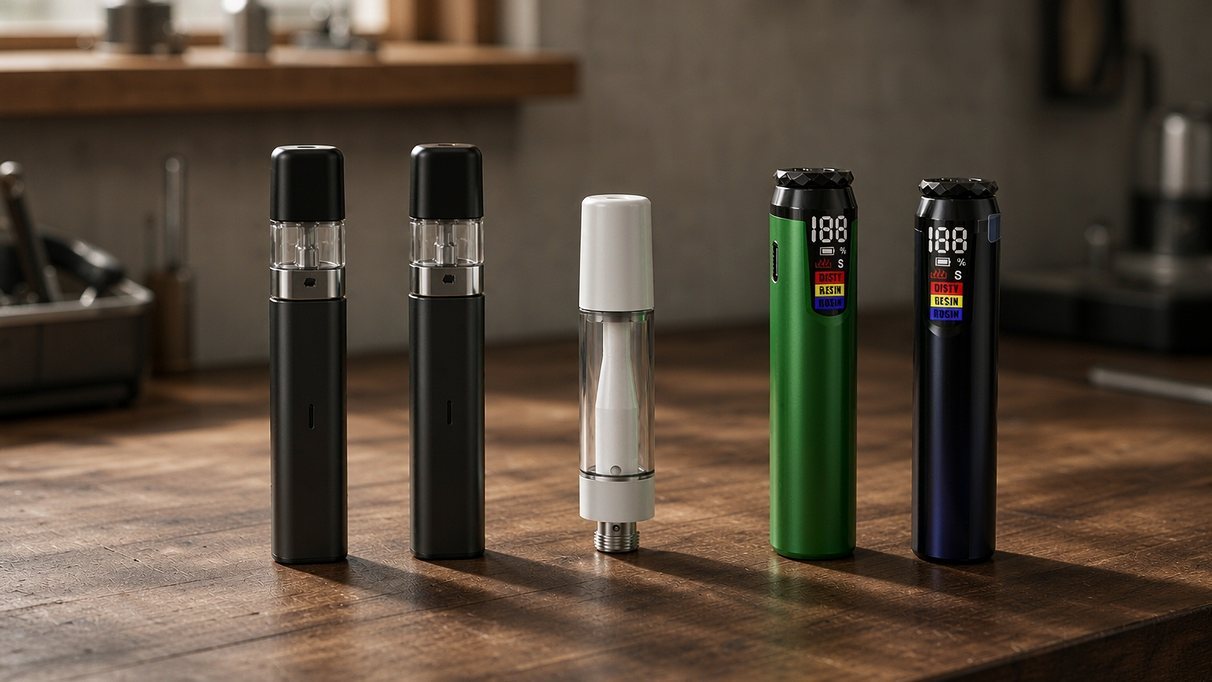
A pod system suits brands that want one controlled device experience, with a reusable battery and replacement pods. A cartridge-and-battery system suits brands that want to build on the established 510 format, offer several cartridge configurations, and let consumers reuse a battery they may already own. Neither format is inherently better. The right choice depends on your oil formulation, your target consumers, your brand positioning, and how you plan to expand the line.
What Is a Pod Vape?
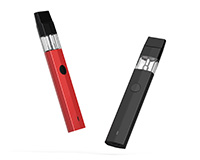
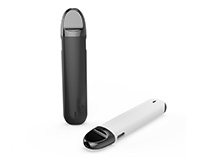
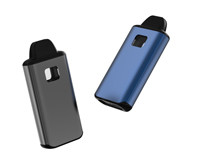
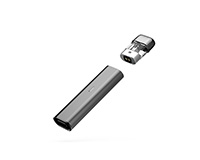
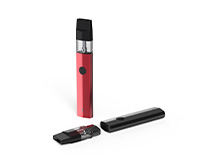
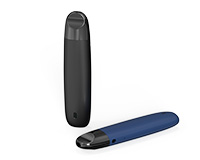
A pod vape uses a pod that contains the oil reservoir and heating element, paired with a compatible battery device. The pod is usually disposable, while the battery is reusable.
For cannabis brands, pod systems offer opportunities to develop a distinctive hardware experience. The device and pod can be designed to work together, allowing greater control over the overall product design, connection mechanism, and user experience.
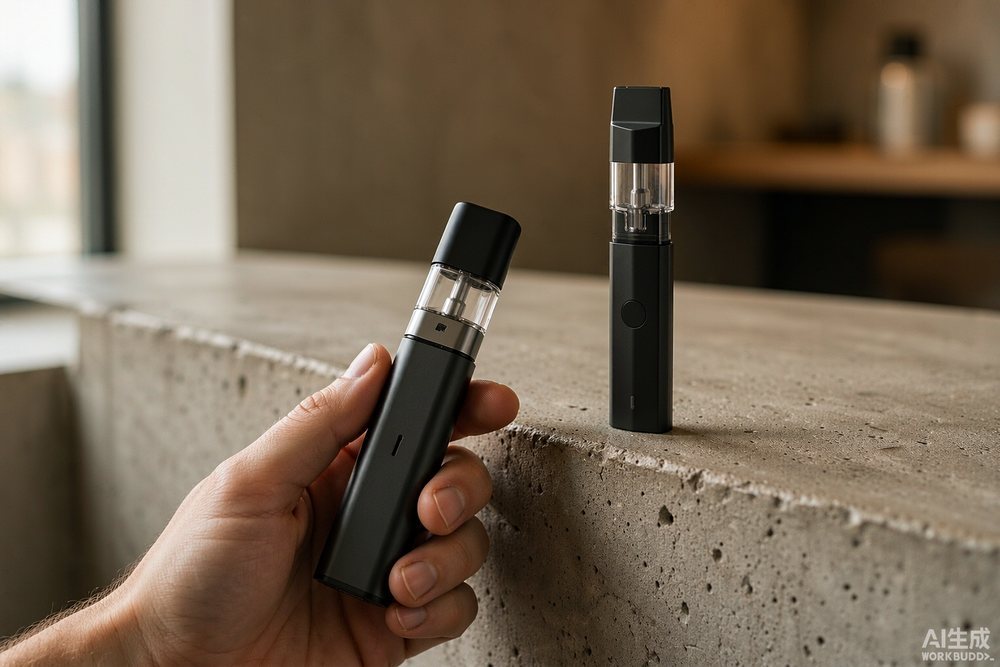
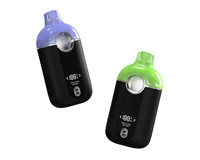
Interestingly, not every pod system is marketed as a reusable system from day one. Some brands sell magnetic pod devices as disposable-style products, offering consumers a complete, ready-to-use experience. If consumers enjoy the product, they may choose to keep the battery and purchase replacement pods separately in the future. This creates a potential path from an initial device purchase to repeat pod sales.
This approach gives brands flexibility in how they introduce a product to the market. They can make the first purchase simple and familiar while leaving room for a longer-term replacement-pod model. However, success depends on product reliability, pod availability, and whether consumers see enough value in keeping and reusing the battery.
Unlike universal cartridge systems, pod systems generally require compatible devices and pods. Brands should therefore consider not only the initial product experience but also how easily consumers can obtain replacement pods and continue using the system.
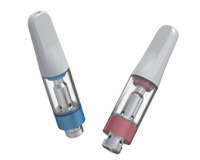
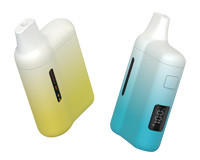
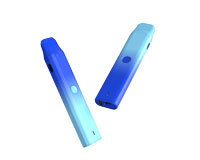
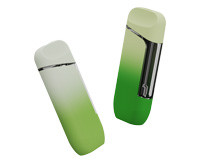
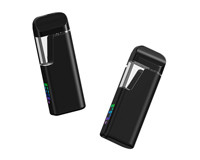
Pod hardware in this format includes the CLIC pod vape and the PEAK X pod system.
What Is a Cartridge and Battery System?
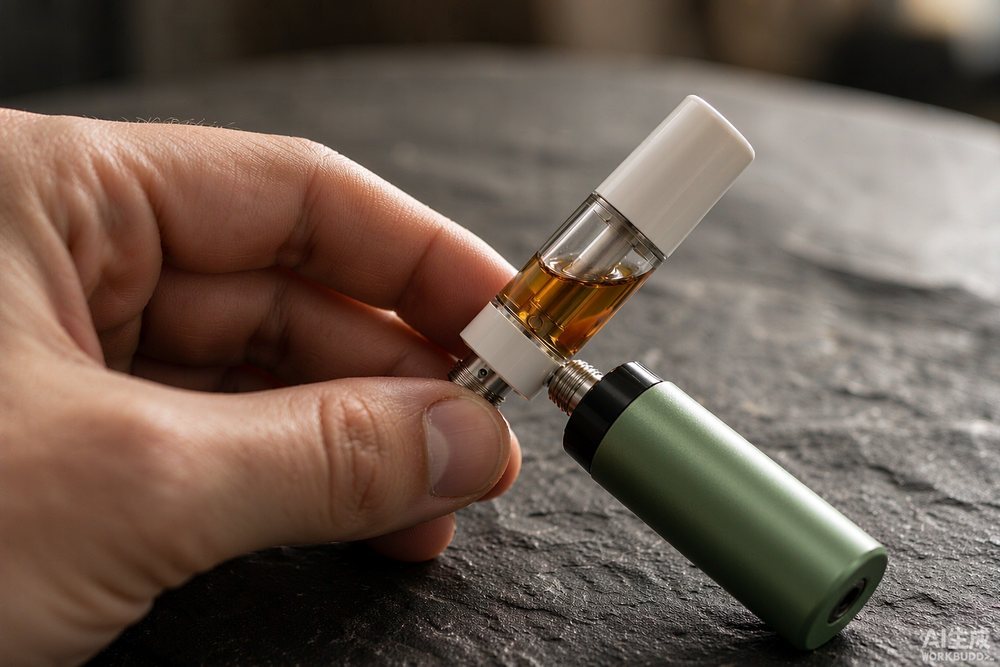
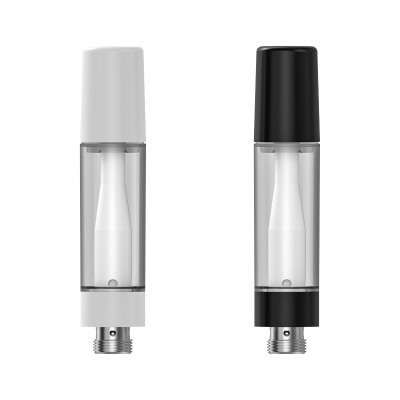
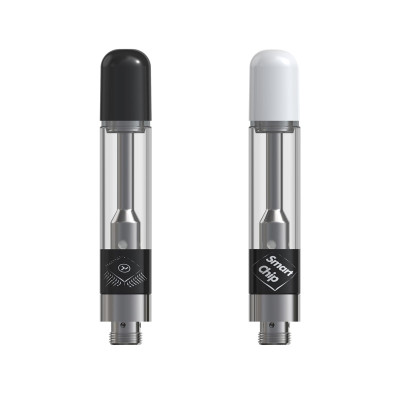
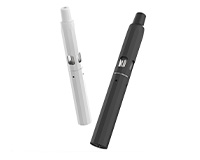
A cartridge-and-battery system separates the oil cartridge from the battery. The cartridge contains the oil and heating components, while the battery supplies power to heat the oil and produce vapor.
Many cannabis vape cartridges use a 510-thread connection, a widely adopted format that allows compatible cartridges and batteries to work together.
This separation offers flexibility. Brands can develop different cartridge designs or oil formulations while using compatible batteries, and consumers may be able to use one battery with multiple compatible cartridges.
For brands entering the market, cartridge-and-battery systems can also provide a straightforward way to build a product line around established hardware formats. However, compatibility is not universal. Threading alone does not guarantee that every cartridge will perform properly with every battery, since voltage, airflow, heating characteristics, and other design factors can affect the experience.
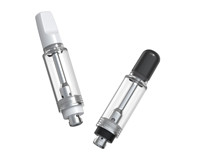
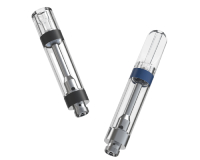
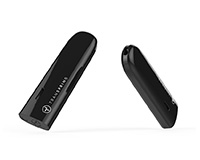
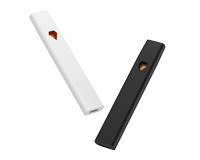
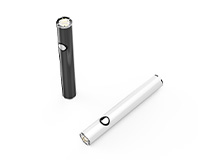
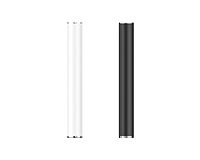
Cartridge options include the CLEAR cotton-free cartridge and the CARBOY 2ml glass cartridge. Matching batteries include the B650 smart battery and the B310-A 510 battery.
Pod Vape vs Cartridge and Battery at a Glance
| Decision point | Pod vape | Cartridge and battery |
|---|---|---|
| Structure | The pod holds oil and heating element, the battery is reusable | The cartridge holds oil, the battery is a separate reusable part |
| Connection | Proprietary, device and pod are designed to work together | 510 thread, a widely adopted format across the category |
| Where flexibility comes from | Tighter control over the combined device and pod experience | Different cartridge designs used on compatible batteries |
| Consumer path | The pod is usually disposable while the battery can be kept | One battery can be used with multiple compatible cartridges |
| What to validate | Reliability, replacement pod availability, value of keeping the battery | Voltage, airflow, and heating characteristics must match the cartridge |
| Typical fit | Brands building an integrated device family | Brands building a line around an established format |
1. Start With Your Oil Formulation
Oil compatibility should be one of the first considerations when choosing vape hardware.
Cannabis oils vary in viscosity, composition, and flow behavior. These differences affect how oil moves toward the heating element and how consistently the device performs throughout use.
A pod system may offer more control over the relationship between the pod, airflow, and heating components. A cartridge-and-battery system can provide flexibility across different product configurations, but the cartridge still needs to be matched carefully with the oil and power source.
For thicker or more demanding formulations, brands should pay particular attention to the heating element, intake structure, operating temperature, and oil flow.
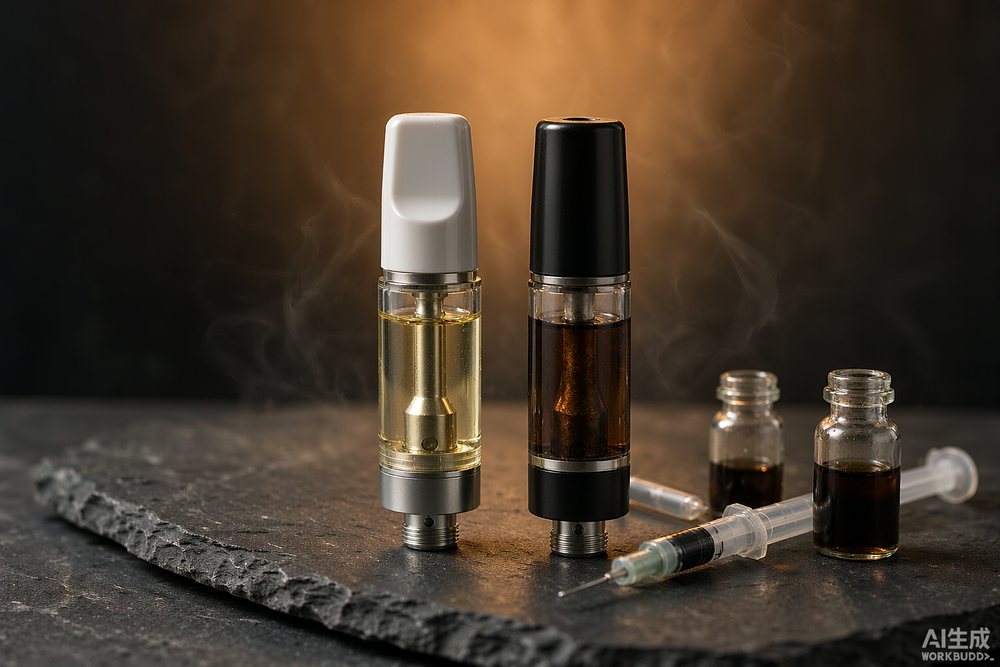
Before committing to a format, test the complete system with the intended oil. Evaluate flavor consistency, vapor production, clogging, leakage, and performance from the first draw to the last. Hardware selection should be based on actual compatibility testing rather than appearance or specifications alone.
- Heating elementThe core determines how evenly heat reaches a thicker or more demanding oil.
- Intake structureInlet size and placement affect how quickly viscous oil can be drawn in.
- Operating temperatureConsistent control supports flavor and performance across the full fill.
- Oil flowFlow behavior changes from the first draw to the last and should be tested end to end.
2. Consider Your Target Consumers
Consumer expectations can influence which format makes the most sense, but the way a product is introduced to the market matters, too.
Pod systems can appeal to consumers who value sleek designs and a coordinated device experience. Some brands even market magnetic pod devices as disposable-style products, making them easy to try without asking consumers to commit to a reusable system upfront. When the experience meets expectations, consumers may keep the battery and purchase replacement pods later, creating an opportunity for repeat sales.
Cartridge-and-battery systems appeal to consumers who prefer familiar formats and the flexibility of using compatible components. The widely recognized 510-thread standard can make it easier for brands to position cartridges within an established category.
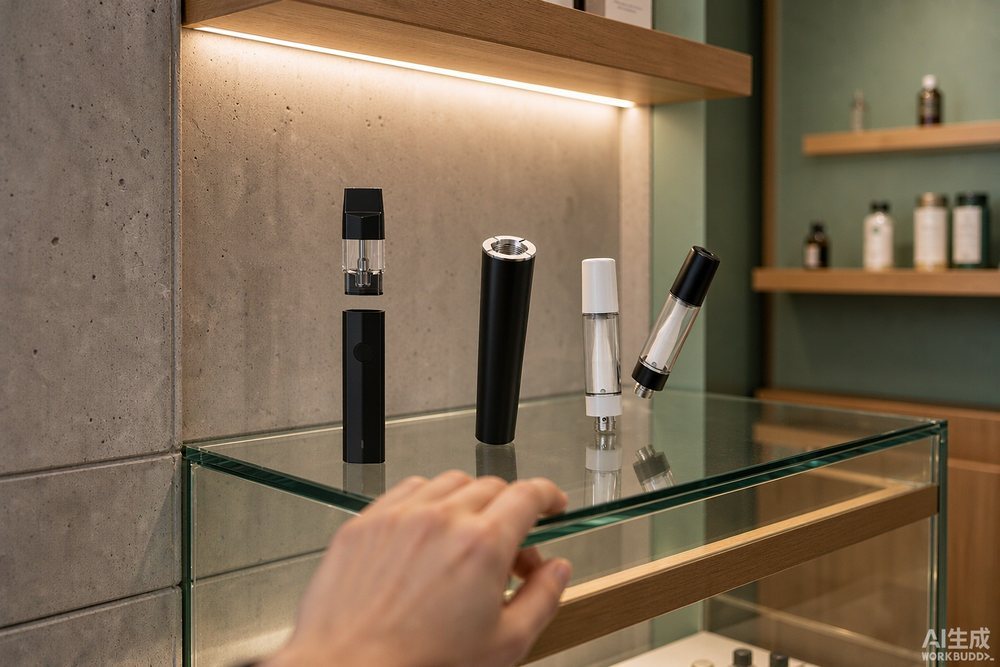
For brands, the decision is not just about what consumers prefer today. It is also about how the first purchase can lead to continued product use. Consider whether your strategy prioritizes a simple entry point, long-term device reuse, replacement-component sales, or a combination of these goals.
3. Balance Brand Identity With Development Costs
Hardware is also part of your brand's visual identity.
Pod systems can create opportunities for distinctive shapes, custom finishes, and coordinated device-and-pod designs. This can help a brand establish a more recognizable product experience, although proprietary systems may require greater investment in development, compatibility testing, and inventory planning.
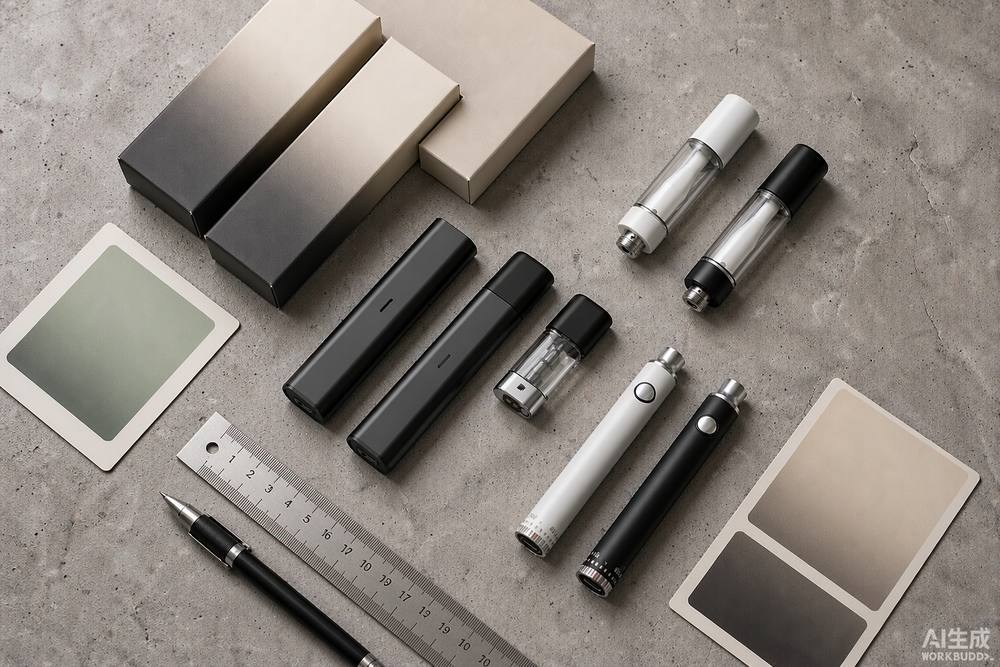
Cartridge-and-battery systems offer a different approach. Brands can focus customization on cartridge appearance, mouthpiece design, materials, and compatible battery options. This may allow a more modular product strategy, particularly when launching several oil varieties or product tiers.
When comparing costs, look beyond the unit price. Consider tooling, minimum order quantities, testing, packaging, inventory requirements, and replacement-component availability.
A lower-cost component does not necessarily mean a lower total product cost. The better option is the one that supports your target retail positioning while meeting your performance and quality requirements.
4. Think About Product Line Expansion
Your first vape product may be only the beginning.
If your long-term strategy involves building a distinctive hardware ecosystem, a pod system may provide a foundation for developing a consistent device family. However, the commercial viability of that approach depends on consumer adoption, replacement-pod availability, and the reliability of the complete system.
If your strategy involves offering multiple cartridge sizes, oil formulations, or price points, a cartridge-and-battery platform may provide greater modularity. Compatible hardware can make it easier to explore different product configurations without redesigning every component.
Whichever format you choose, consider how easily it can accommodate future changes in oil formulation, capacity, design, and consumer preferences.
Planning for expansion early can help reduce unnecessary redesigns and make inventory management more predictable.
Find the Right Hardware for Your Oil and Brand
The difference between a pod vape and a cartridge-and-battery system goes beyond their physical structure. Each format creates different opportunities for product development, consumer experience, and brand differentiation.
For cannabis brands, the goal is not simply to choose the most popular format. It is to find hardware that performs consistently with the intended oil, fits the target market, and supports the brand's long-term plans.
Working with an experienced cannabis vape hardware manufacturer can help you evaluate these trade-offs, test oil-hardware compatibility, and identify the right configuration before moving into production.
At Transpring, hardware selection is approached with both oil performance and brand requirements in mind. From cartridge solutions to integrated all-in-one devices, the right starting point is understanding what your product needs to deliver.
Looking for the right vape hardware for your next launch? Contact Transpring to discuss your oil formulation, product goals, and customization requirements.